How Spaced Repetition Helps Vocabulary Stick: A Practical 2026 Guide
"I learned this word yesterday. Why did I forget it already?" If that sounds familiar, the problem is probably not your memory. It is usually the timing and structure of your review.
Vocabulary does not become usable simply because you saw a word once. It becomes usable when you meet it again at the right moment, connect it to context, and practice retrieving it. That is why spaced repetition is one of the most reliable methods for long-term vocabulary growth.
This guide explains how spaced repetition works, why flashcards alone are not enough, and how to build a simple daily routine that turns new words into words you can actually use.
---
Why We Forget New Words So Quickly
The forgetting curve, first studied by Hermann Ebbinghaus, shows that memory drops sharply after initial learning. A word you understand today can feel unfamiliar tomorrow if you do not review it.
A useful rule of thumb:
- After 20 minutes, much of the detail begins to fade
- After 1 hour, recall becomes noticeably weaker
- After 1 day, many learners forget most of what they only saw once
- After 1 week, unrepeated words often feel new again
The good news is that every well-timed review makes the forgetting curve flatter. The goal is not to review everything every day. The goal is to review each word right before it disappears.
---
What Spaced Repetition Means
Spaced repetition is a review method that brings a word back at increasing intervals. If you remember it, the next review moves farther away. If you miss it, the interval becomes shorter.
A beginner-friendly schedule looks like this:
- First review: the next day
- Second review: 3 days later
- Third review: 1 week later
- Fourth review: 2 weeks later
- Fifth review: 1 month later
This rhythm works because it combines spacing with active recall. You are not just rereading a list. You are asking your brain to retrieve the word, which strengthens memory.
---
Why Flashcards Alone Are Not Enough
Flashcards are useful, but they can create a false sense of progress if you only recognize words passively.
Recognition is not production
Seeing a word and thinking "I know this" is different from using it in a sentence. Speaking and writing require production, so vocabulary practice should include output.
Words need context
A single-word card is easy to forget because it has too few hooks. A word inside a sentence gives you meaning, tone, grammar, and usage at the same time.
Collocations matter
Natural English depends on word combinations. We say "make a decision," "take notes," and "make progress." Learning the word alone is only half the job.
---
A 5-Step Vocabulary Routine
Step 1: Limit new words to 10-20 per day
Trying to learn 50 or 100 words in one sitting usually creates a review backlog. Ten to twenty new words per day is enough for steady growth and easier to maintain.
Step 2: Learn every word with one example sentence
Do not store only the translation. Add one simple sentence. For example, instead of only saving "apologize," save "I apologize for the delay."
Step 3: Review at spaced intervals
Use a schedule such as next day, 3 days, 1 week, 2 weeks, and 1 month. Apps can automate this so you do not need to manage dates manually.
Step 4: Add output
After reviewing a word, say one sentence aloud or write one short sentence. This turns recognition vocabulary into active vocabulary.
Step 5: Save common combinations
Record words with the phrases they naturally appear in:
- make: make a decision, make a mistake, make progress
- take: take a break, take notes, take responsibility
- apologize: apologize for the delay, apologize to someone
---
How AI Can Help With Review Timing
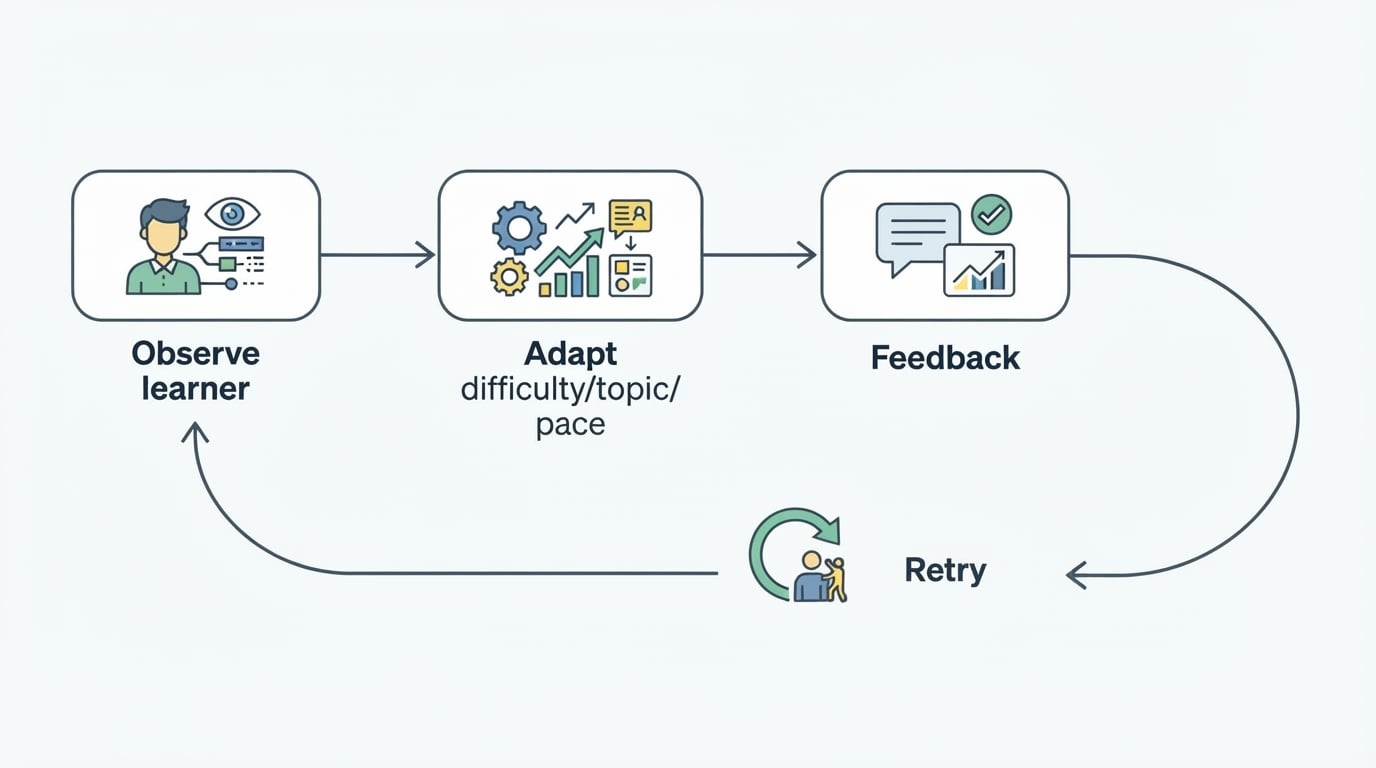
Spaced repetition works, but manually tracking every review is tedious. AI learning apps can analyze your answers, weak points, and learning history, then adjust review timing automatically.
MANA Learn is designed to support language learning with AI-personalized lessons and review flows. Instead of guessing what to study next, learners can follow a system that adapts to progress and keeps daily practice manageable.
---
Frequently Asked Questions
How many new words should I learn each day?
For most learners, 10-20 new words is a good range. It is small enough to review consistently and large enough to build vocabulary over time.
Should I learn vocabulary or grammar first?
Learn them together. Grammar gives words structure, and vocabulary gives grammar useful material. A balanced routine works better than choosing only one.
Why can I recognize words but not use them in conversation?
Because recognition and production are different skills. To use words in conversation, you need output practice: speaking, writing, sentence creation, and repeated retrieval.
Are Anki and SRS apps really effective?
Yes, when used correctly. Limit new cards, include example sentences, review every day, and combine cards with output practice.
---
Summary: Better Timing Builds Better Memory
Forgetting vocabulary is normal. The solution is not to blame your memory, but to change the review system.
Use spaced repetition, keep daily word counts realistic, learn with example sentences, practice output, and save collocations. With the right timing, vocabulary becomes easier to remember and easier to use.
MANA Learn can help you build a repeatable vocabulary routine with AI-supported review and short daily practice. Start small, review at the right time, and let your vocabulary grow one day at a time.
[Start learning with MANA Learn](https://manamana.ai)