How to Use Flashcards for Vocabulary Building in 2026: Complete Guide
Intro
Building a strong vocabulary is one of the most rewarding — and frustrating — parts of learning a new language. You can sit with textbooks for hours and still find yourself blank when you need a word in conversation. That gap between passive recognition and active recall is exactly where flashcards for vocabulary building shine.
This article will guide you through effectively leveraging flashcards within MANA Learn to build your vocabulary — from understanding why the method works to walking through each step in the app.

Background
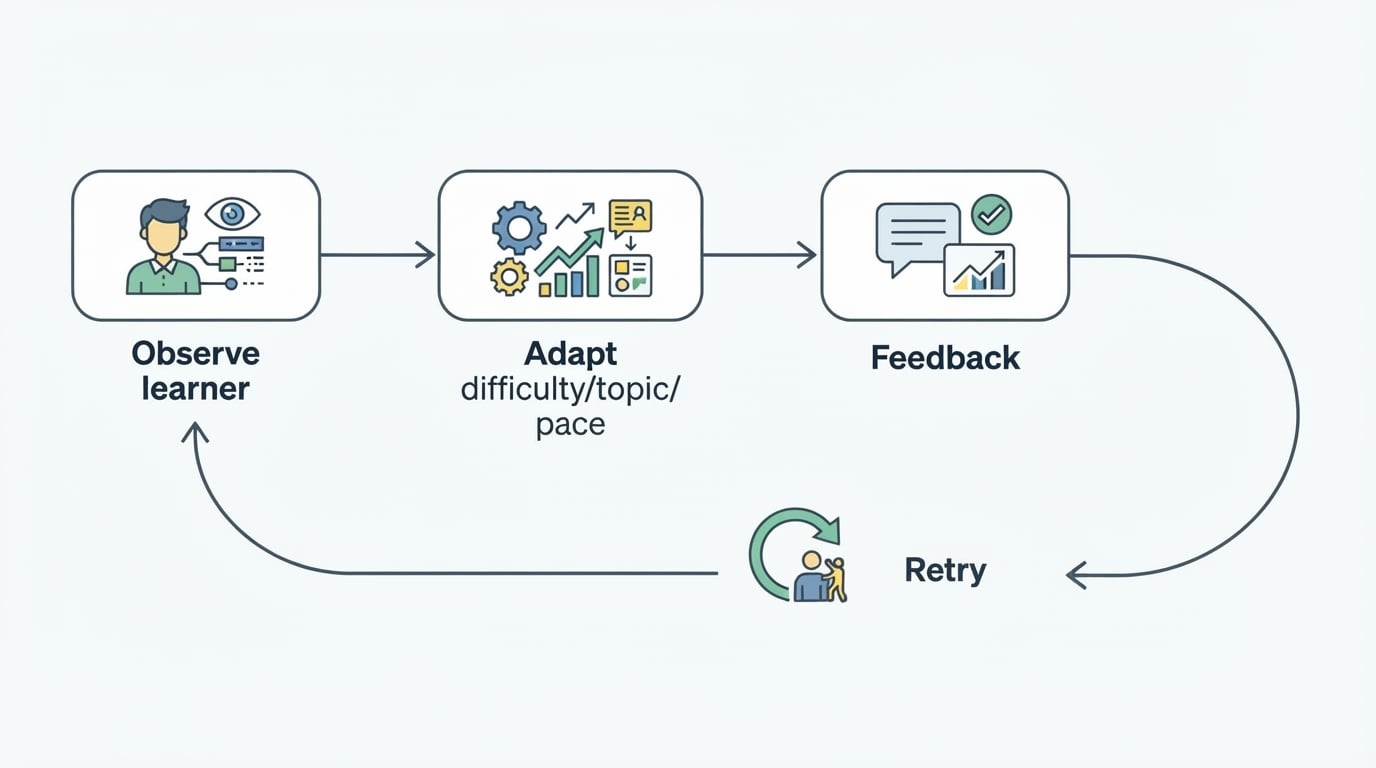
Flashcards have been a staple of language learning for decades, and the science behind them is solid. The core mechanism is spaced repetition: instead of reviewing words on a fixed schedule, you see difficult words more often and well-known words less often. This matches how memory consolidation actually works, prioritizing effort where it produces the most gain.
What separates modern vocabulary flashcard tools from a stack of index cards is structure. Knowing which words to study — and in what order — matters as much as the act of reviewing. Learners who follow a principled vocabulary sequence, such as one tied to recognized language proficiency levels, progress faster because they build on each layer before adding the next.
MANA Learn anchors its flashcard system to the Common European Framework of Reference for Languages, known as CEFR. This internationally recognized standard organizes language proficiency into six levels: A1 and A2 for beginner, B1 and B2 for intermediate, and C1 and C2 for advanced. Tying flashcard decks to these levels means you always know where you stand and what comes next.

Steps
Here is how to use MANA Learn's flashcard system to build vocabulary systematically.
Step 1: Download and Open MANA Learn
Start by downloading the MANA Learn app. The app is available through the download entry on the MANA Learn website footer, alongside contact information and the platform's supporting resources. Once installed, create an account or sign in.
Step 2: Select Your CEFR Level
After signing in, navigate to the courses section. MANA Learn's CEFR Standards Courses present introductory cards for each proficiency level — A1, A2, B1, and so on — so you can orient yourself before committing to a deck. According to the product's course design, the lower portion of the course browsing page displays CEFR level framework cards with concise level descriptions, letting you compare what A1 and A2 entail before choosing where to begin.
If you are a complete beginner, start at A1. If you already have some foundation, read the level descriptions and pick the one that feels like a comfortable stretch.

Step 3: Begin a Flashcard Session
Open your chosen CEFR-aligned deck and start a session. Each card presents a target word on one side. Before flipping, try to recall the meaning yourself — this retrieval attempt is what makes spaced repetition effective, even when you get it wrong.
After flipping, rate your recall honestly. Most spaced repetition interfaces offer options along the lines of "forgot," "hard," "good," and "easy." Your rating determines when that card reappears. Be strict with yourself: marking something "easy" when it felt uncertain delays the review and slows retention.
Step 4: Review Daily and Track Progress
Consistency beats intensity. A fifteen-minute session every day outperforms a two-hour session once a week. MANA Learn tracks which cards are due each day based on your past ratings, so returning to the app each day keeps the review queue manageable. As you clear the A1 vocabulary, the platform surfaces your progress toward A2, giving you a clear ladder to climb.
Tips
Pair reading with flashcards. When you encounter an unfamiliar word while reading in MANA Learn, add it to your review queue immediately. Context from a real sentence makes the word stick faster than encountering it cold.
Do not cram. Reviewing hundreds of cards in a single sitting pushes your forgetting curve in the wrong direction. Trust the algorithm to surface cards at the right time and keep each session focused.
Speak the words aloud. Vocabulary learned silently stays silent. Saying each word during a flashcard session builds a second memory trace — auditory, not just visual — which strengthens recall in conversation.
Use the level descriptions before jumping levels. MANA Learn's CEFR framework cards describe what competency at each level looks like. Reading them before advancing helps you set realistic expectations and notice genuine gaps rather than just moving on because a deck feels finished.
Review before sleep. Memory consolidation happens during sleep. Running through a short flashcard session in the thirty minutes before bed gives your brain stronger material to work with overnight.
Faq
How many flashcards should I review per day?
For most learners, twenty to fifty cards per day is sustainable. Spaced repetition systems automatically regulate this based on your history — the app will show you what is due, so follow that queue rather than setting an arbitrary daily count.
What is the difference between CEFR levels A1 and A2?
A1 covers the most fundamental vocabulary — greetings, numbers, common objects, and basic verbs. A2 expands this to everyday situations like shopping, describing your routine, and expressing simple preferences. MANA Learn's CEFR course cards summarize these distinctions directly on the course selection screen.
Can I add my own words to the flashcard deck?
Many learners supplement structured decks with personal vocabulary from their reading or listening. If MANA Learn supports custom card creation in your version of the app, adding words you encounter in real usage accelerates retention because the context is personally meaningful.
How long does it take to complete an A1 vocabulary deck?
This depends on how many words the deck contains and how consistently you review. For a core A1 vocabulary set of around 500 words, learners who review daily typically work through the initial pass in four to six weeks, with spaced reviews continuing afterward until the words are firmly retained.
Do flashcards work for all languages?
The spaced repetition mechanism works for any language with discrete vocabulary units. CEFR-aligned decks are available for major European languages and many others. The specific language offerings in MANA Learn are listed in the app's course catalog.
Conclusion
Flashcards for vocabulary building are only as effective as the system behind them. Random review of random words produces random results. What works is a structured approach: start at the right proficiency level, review on a consistent schedule, and let a principled framework guide which words you learn in which order.
MANA Learn's CEFR Standards Courses give you exactly that structure. By anchoring your flashcard practice to internationally recognized proficiency levels — starting with A1 and A2 descriptions visible directly on the course selection page — the platform turns vocabulary study from a guessing game into a clear progression.
This article has guided you through effectively leveraging flashcards within MANA Learn to build your vocabulary: from picking your CEFR starting level, to running daily review sessions, to applying the habits that convert short-term recognition into long-term recall. Open the app, find your level, and start your first session today.